
The Critical Layer: Why Surface Passivation is
Non-Negotiable for Medical Titanium Implants
Your products are designed for precision medicine. Ensure their surgical integrity and long-term stability with an ultra-pure, corrosion-resistant surface.
Get Your Medical Titanium Specification GuideTrusted by global medical device manufacturers. JH Medical Ti: China Leading Medical Titanium Manufacturer.
The Imperative of Purity: Understanding Passivation for Patient Safety
While titanium is inherently biocompatible, the surface of a newly machined component contains free iron particles and contaminants from the manufacturing process. If left untreated, these impurities can lead to:
-
Increased Corrosion Risk: Contaminants can create localized corrosion sites when exposed to the body's saline environment.
-
Compromised Biocompatibility: Surface impurities can interfere with the critical process of osseointegration.
-
Reduced Device Longevity: Wear and corrosion can lead to device failure and the need for costly revision surgery.
Passivation is the controlled chemical process that removes these surface impurities and forms a dense, protective, and bio-inert titanium dioxide layer, ensuring the component is safe for implantation.
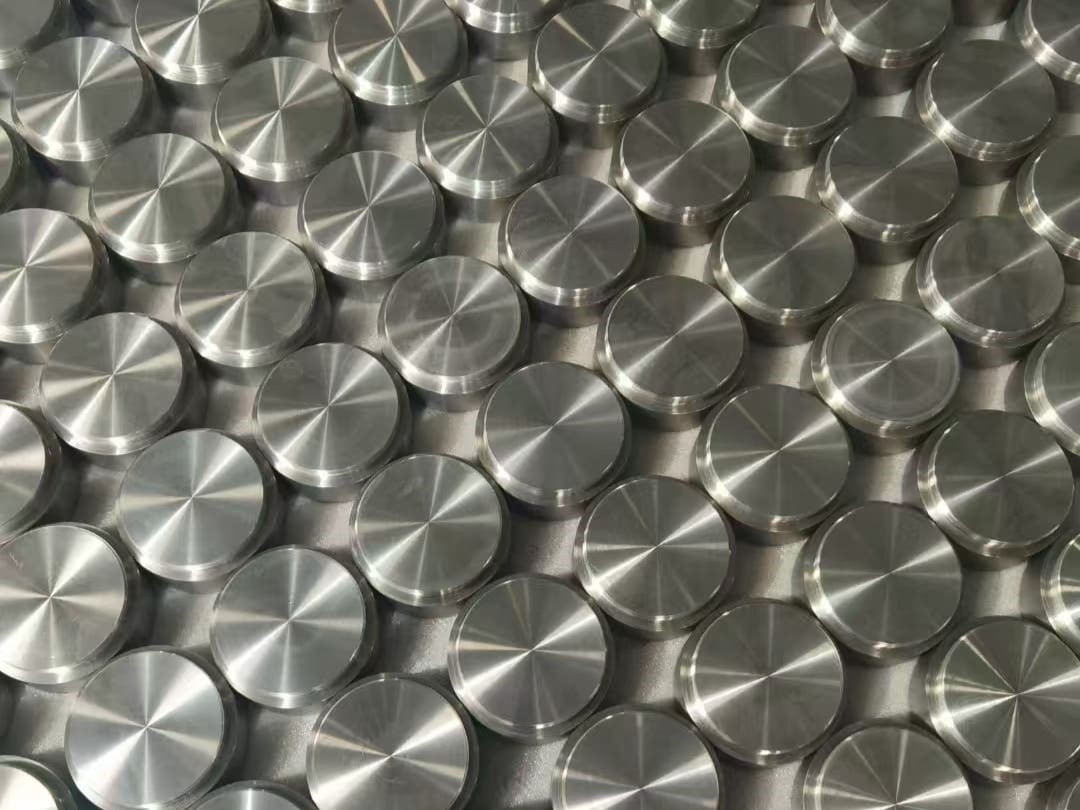
Applied Purity for Your Material Needs
Our passivation expertise ensures the highest surface quality across our entire product range, delivering maximum stability for your final device:
Medical Titanium Bar
Ideal for high-strength orthopedic fixation devices.
Medical Titanium Sheet
Used in cranial implants and internal reconstructive plates.
Medical Titanium Wire
Crucial for dental and smaller surgical components.
All Medical Titanium Grades
Ensuring compliance with ASTM and ISO standards.
From Raw Material to Bio-Inert: Our Passivation Process
At JH Medical Ti, our dedication to quality, as a wholly-owned subsidiary of Baoji Jinshan Titanium Industry, covers the complete industrial chain—from melting and forging to precision machining. Our passivation treatment strictly adheres to global medical device requirements to deliver a consistently superior product.
Key Passivation Performance Indicators
| Performance Metric | Standard Machined Surface (Unpassivated) | JH Medical Ti Passivated Surface |
|---|---|---|
| Corrosion Resistance (Per ASTM F86) | Susceptible to pitting/crevice corrosion. | Highly resistant; stable against physiological fluids. |
| Surface Contaminants (Free Iron) | Presence of trace iron particles from tooling. | Surface is chemically cleaned; contamination-free. |
| Oxide Layer Thickness (Bio-stability) | Variable, thin native oxide layer. | Controlled, thickened TiO₂ layer (ideal for implant stability). |
Commitment to Global Standards
Every batch of Medical Titanium Bar, Sheet, or Wire processed by JH Medical Ti undergoes rigorous inspection. We adhere to standards like ASTM F86 for passivation and ensure our raw materials meet specifications such as ASTM F136 (Ti 6Al-4V ELI) and F1472 (CP Titanium). This guarantees absolute consistency and traceability.
Striving to become a global leader and professional supplier of medical titanium materials.
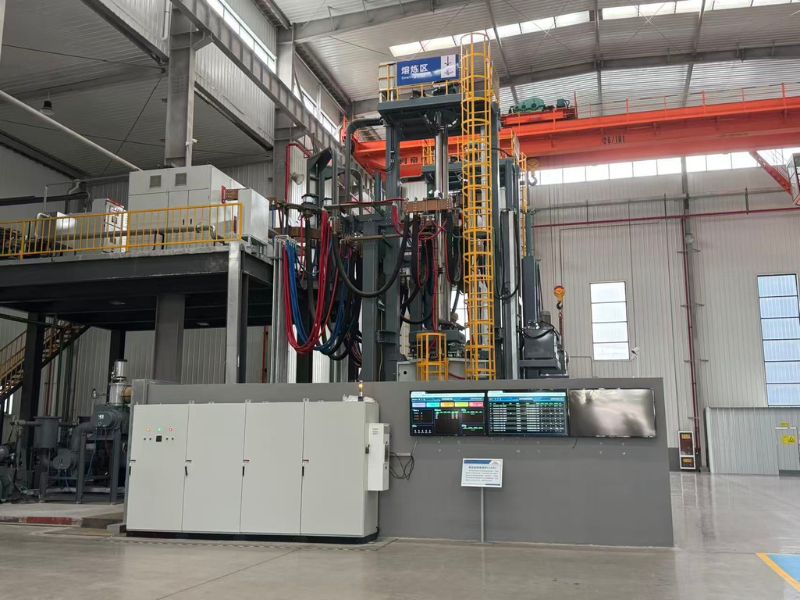
Partner with a Leader in Medical Titanium Purity
Ready to elevate your medical devices with surface-perfect materials? Our experts are ready to discuss your specific passivation and material requirements.
START YOUR PROJECT & REQUEST A QUOTE TODAYEmail us directly: umi.ma@jstitanium.com | Call: +86 15332291991
Frequently Asked Questions on Titanium Passivation
What is the primary purpose of titanium passivation?
The primary purpose is to chemically thicken the native titanium oxide layer, making the surface highly resistant to corrosion in the physiological environment (the human body) and enhancing biocompatibility.
Does passivation affect the strength of the medical titanium component?
No, passivation is strictly a surface treatment process. It only alters the very top layer of the material, typically measured in nanometers, and has no measurable impact on the bulk mechanical strength or stability of the titanium component.
Which industry standards govern medical titanium passivation?
The process is typically governed by standards such as ASTM F86, which outlines the practices for surface preparation and marking of metallic surgical implants.